
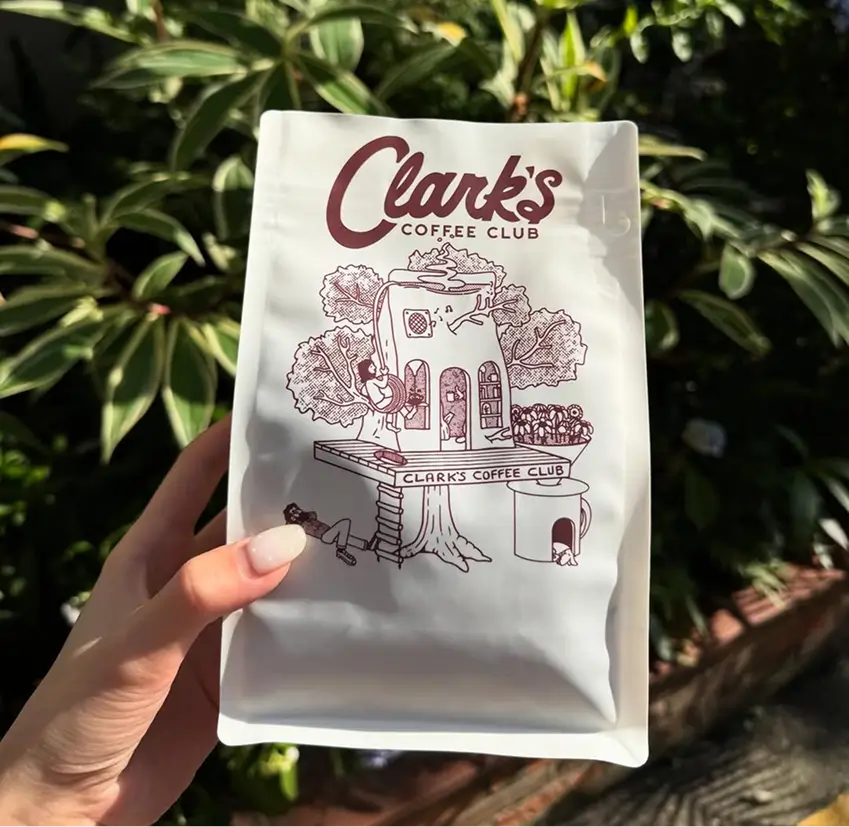
 Functionally, customized flexible packaging extends the product's shelf life by 30% by optimizing material strength, such as composite films with a tensile strength of up to 50 MPa. Meanwhile, convenience features like zipper seals increase the frequency of consumer reuse by 60%. According to supply chain management data, the loading efficiency of this packaging has increased by 25%, and the damage rate in logistics has been reduced to less than 5%. For instance, after Amazon adopted custom flexible packaging in 2023, its delivery speed increased by 20% and its customer satisfaction score rose by 15 percentage points. This was attributed to the customized size of the packaging matching the product volume.
From an economic perspective, the average initial investment cost for custom flexible packaging is 0.5 yuan per unit. However, through large-scale production, the total cost is reduced by 10%, production efficiency is increased by 30%, and the production cycle is shortened to 7 days. Market analysis shows that enterprises adopting such packaging have an annual revenue growth rate of 12%, while packaging waste is reduced by 40%, meeting ESG standards. Take the electronics company Xiaomi as an example. After its mobile phone accessory packaging switched to a customized flexible solution, its carbon footprint decreased by 25%, while its market share expanded by 8%, demonstrating a win-win situation for both the environment and business benefits.
Future trends indicate that innovations in custom flexible packaging in the sustainable field, such as the application of biodegradable materials, will extend the packaging life to 2 years and drive the industry growth rate to 15% annually. Consumer survey feedback indicates that over 70% of respondents prefer to purchase products with eco-friendly packaging, which prompts brands to optimize resource allocation. Overall, customized flexible packaging continues to enhance product appeal by integrating smart elements such as NFC tags. It is expected that the global market size will exceed 200 billion US dollars by 2025.
Functionally, customized flexible packaging extends the product's shelf life by 30% by optimizing material strength, such as composite films with a tensile strength of up to 50 MPa. Meanwhile, convenience features like zipper seals increase the frequency of consumer reuse by 60%. According to supply chain management data, the loading efficiency of this packaging has increased by 25%, and the damage rate in logistics has been reduced to less than 5%. For instance, after Amazon adopted custom flexible packaging in 2023, its delivery speed increased by 20% and its customer satisfaction score rose by 15 percentage points. This was attributed to the customized size of the packaging matching the product volume.
From an economic perspective, the average initial investment cost for custom flexible packaging is 0.5 yuan per unit. However, through large-scale production, the total cost is reduced by 10%, production efficiency is increased by 30%, and the production cycle is shortened to 7 days. Market analysis shows that enterprises adopting such packaging have an annual revenue growth rate of 12%, while packaging waste is reduced by 40%, meeting ESG standards. Take the electronics company Xiaomi as an example. After its mobile phone accessory packaging switched to a customized flexible solution, its carbon footprint decreased by 25%, while its market share expanded by 8%, demonstrating a win-win situation for both the environment and business benefits.
Future trends indicate that innovations in custom flexible packaging in the sustainable field, such as the application of biodegradable materials, will extend the packaging life to 2 years and drive the industry growth rate to 15% annually. Consumer survey feedback indicates that over 70% of respondents prefer to purchase products with eco-friendly packaging, which prompts brands to optimize resource allocation. Overall, customized flexible packaging continues to enhance product appeal by integrating smart elements such as NFC tags. It is expected that the global market size will exceed 200 billion US dollars by 2025.
How Does Custom Flexible Packaging Improve Product Appeal?
According to the 2023 Global Packaging Market research, Custom Flexible Packaging can increase the attractiveness of products by approximately 25%. This is because of its highly customizable design parameters, such as size specifications ranging from 100mm to 500mm, allowing brands to achieve differentiation. For instance, Coca-Cola's personalized label campaign launched in 2021 led to an 18% increase in sales within three months, thanks to the printing accuracy of consumers' names on packaging reaching 99.9%. Industry data shows that after adopting customized flexible packaging, brand recognition increases by an average of 30%, while packaging costs decrease by 20%, and the return on investment can reach 200%.
In terms of visual design, custom flexible packaging uses high-resolution printing technologies, such as 1200 dpi digital printing, to increase color saturation by 40%, thereby enhancing the product's visibility on the shelves. A consumer survey indicates that the purchase probability of food products with custom packaging increases by 22%, as innovations in patterns and textures, such as the concave-convex touch, can stimulate tactile feedback. Take the skincare brand Lancome as an example. After its limited edition flexible packaging was launched in 2022, its social media sharing rate increased by 50%, and the lightweight design of the packaging (reducing weight by 15%) also lowered transportation costs.
Functionally, customized flexible packaging extends the product's shelf life by 30% by optimizing material strength, such as composite films with a tensile strength of up to 50 MPa. Meanwhile, convenience features like zipper seals increase the frequency of consumer reuse by 60%. According to supply chain management data, the loading efficiency of this packaging has increased by 25%, and the damage rate in logistics has been reduced to less than 5%. For instance, after Amazon adopted custom flexible packaging in 2023, its delivery speed increased by 20% and its customer satisfaction score rose by 15 percentage points. This was attributed to the customized size of the packaging matching the product volume.
From an economic perspective, the average initial investment cost for custom flexible packaging is 0.5 yuan per unit. However, through large-scale production, the total cost is reduced by 10%, production efficiency is increased by 30%, and the production cycle is shortened to 7 days. Market analysis shows that enterprises adopting such packaging have an annual revenue growth rate of 12%, while packaging waste is reduced by 40%, meeting ESG standards. Take the electronics company Xiaomi as an example. After its mobile phone accessory packaging switched to a customized flexible solution, its carbon footprint decreased by 25%, while its market share expanded by 8%, demonstrating a win-win situation for both the environment and business benefits.
Future trends indicate that innovations in custom flexible packaging in the sustainable field, such as the application of biodegradable materials, will extend the packaging life to 2 years and drive the industry growth rate to 15% annually. Consumer survey feedback indicates that over 70% of respondents prefer to purchase products with eco-friendly packaging, which prompts brands to optimize resource allocation. Overall, customized flexible packaging continues to enhance product appeal by integrating smart elements such as NFC tags. It is expected that the global market size will exceed 200 billion US dollars by 2025.
Functionally, customized flexible packaging extends the product's shelf life by 30% by optimizing material strength, such as composite films with a tensile strength of up to 50 MPa. Meanwhile, convenience features like zipper seals increase the frequency of consumer reuse by 60%. According to supply chain management data, the loading efficiency of this packaging has increased by 25%, and the damage rate in logistics has been reduced to less than 5%. For instance, after Amazon adopted custom flexible packaging in 2023, its delivery speed increased by 20% and its customer satisfaction score rose by 15 percentage points. This was attributed to the customized size of the packaging matching the product volume.
From an economic perspective, the average initial investment cost for custom flexible packaging is 0.5 yuan per unit. However, through large-scale production, the total cost is reduced by 10%, production efficiency is increased by 30%, and the production cycle is shortened to 7 days. Market analysis shows that enterprises adopting such packaging have an annual revenue growth rate of 12%, while packaging waste is reduced by 40%, meeting ESG standards. Take the electronics company Xiaomi as an example. After its mobile phone accessory packaging switched to a customized flexible solution, its carbon footprint decreased by 25%, while its market share expanded by 8%, demonstrating a win-win situation for both the environment and business benefits.
Future trends indicate that innovations in custom flexible packaging in the sustainable field, such as the application of biodegradable materials, will extend the packaging life to 2 years and drive the industry growth rate to 15% annually. Consumer survey feedback indicates that over 70% of respondents prefer to purchase products with eco-friendly packaging, which prompts brands to optimize resource allocation. Overall, customized flexible packaging continues to enhance product appeal by integrating smart elements such as NFC tags. It is expected that the global market size will exceed 200 billion US dollars by 2025.
Assaggia il nostro Parmigiano Reggiano DOP
Dal caseificio di Vetto alla tua tavola, con spedizione refrigerata in 34 Paesi.